
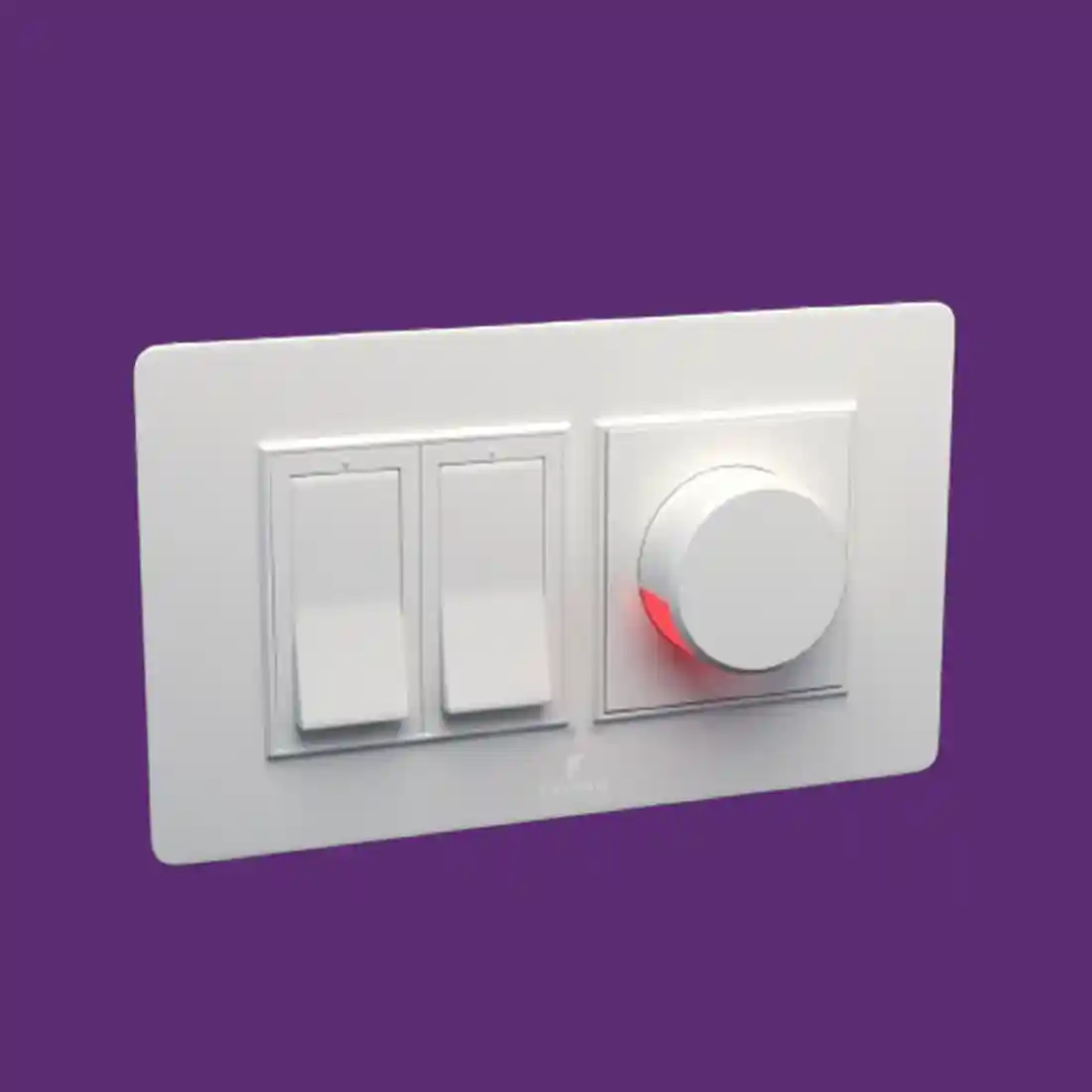
Electricity powers almost every part of modern life, but the ease with which we use it depends on one simple device—the switch. Whether it is turning on a light, starting a fan, operating an appliance, or controlling a complete lighting system, electrical switches make everyday living more convenient, safe, and efficient. They may seem like small accessories on the wall, yet they are among the most frequently used components in any home, office, or commercial space.
Because switches are used constantly, they deserve more attention than they usually receive. Many people choose them only for appearance or price, without understanding how much quality, durability, and proper function matter over time. A well-designed switch performs smoothly for years, supports safety, and adds to the finished look of interiors. A poor-quality switch can be inconvenient, wear out quickly, or cause electrical issues.
This is why understanding switch types, their practical uses, and electrical switch connections is valuable for anyone planning a new property or upgrading an existing one. At Fayero, switch solutions are created with the belief that everyday products should combine performance, reliability, and modern design.
Every electrical point in a room needs to be controlled. Without switches, lights and appliances would need to be directly connected to power at all times, making daily life uncomfortable and unsafe. The switch gives users immediate control over electricity whenever it is needed.
Beyond convenience, switches also help manage energy use. Turning off lights, fans, and devices when not required reduces unnecessary consumption. In this way, electrical switches are not only functional products but also tools that support smarter living.
Their importance also lies in their frequency of use. A switch in a living room, bedroom, or kitchen may be pressed multiple times a day. Over months and years, that means thousands of uses. This is exactly why quality matters.
At its core, a switch controls the path of electric current in a circuit. When the switch is turned on, the circuit is completed, and electricity flows to the connected light or appliance. When it is turned off, the circuit opens, and power flow stops.
While the mechanism is simple, its execution must be precise. A reliable switch should respond smoothly, maintain proper contact, and operate safely over repeated use. This is where trusted products make a real difference.
Modern switches have also moved far beyond utility. They now contribute to the interior style through clean, modular designs, elegant finishes, and sleek wall panels. Brands like Fayero understand that today’s users expect both performance and appearance.
Different spaces require different forms of control, which is why several types of electrical switches are used across homes and buildings.
The most common is the one-way switch. It controls one light or appliance from a single location and is typically used in bedrooms, bathrooms, kitchens, and balconies.
The two-way switch is designed for convenience. It allows one light to be operated from two different locations, making it ideal for staircases, corridors, and large rooms with multiple entrances.
Bell push switches are used for doorbells and buzzers. They work only while being pressed and return automatically once released.
Dimmer switches help control the brightness of lighting. These are popular in living rooms, dining areas, lounges, and hospitality settings where ambience matters.
Modular switches are now widely preferred in modern interiors because they offer a cleaner appearance, organized layouts, and easy maintenance.
Smart switches represent the newest generation. They can be controlled through mobile apps, voice assistants, or automation systems, making them suitable for connected homes and advanced office spaces.
Understanding the basics of electrical switch connections helps users make informed decisions, even when installation is carried out by a professional electrician.
Every basic switch system usually includes four essential wires. The live wire carries electricity from the power source to the switch. This is the wire the switch controls. The load wire carries electricity from the switch to the connected appliance or light point once the switch is turned on. The neutral wire completes the circuit by carrying current back, while the earth wire adds an extra layer of safety by protecting against leakage or fault conditions.
Together, these wires form a safe and practical circuit that allows the switch to function properly.
A one-way connection is the most common household arrangement. In this setup, the live wire enters the switch and exits toward the appliance when the switch is turned on. The neutral wire connects directly to the device, while the earth wire supports safety. This system is simple, effective, and economical.
Two-way electrical switch connections are slightly more advanced. They are used where a single light needs to be controlled from two locations. For example, a staircase light can be switched on downstairs and switched off upstairs. This improves convenience and avoids unnecessary power use.
These practical connection systems show how switch design directly supports better movement and usability within a property.
Not all switches are built to the same standard. Low-grade products may seem economical initially, but they often develop issues such as loose buttons, poor contact, rough operation, faded surfaces, or a reduced lifespan.
High-quality electrical switches are designed for long-term use. They operate smoothly, maintain a strong finish, and offer safer internal mechanisms. Since switches are used daily, investing in quality saves on replacement costs and improves the overall user experience.
This is why many homeowners, electricians, and designers prefer dependable brands like Fayero, where strong engineering meets modern styling.
Selecting the right switch depends on where it will be used and on the level of performance required. Bedrooms and living rooms need smooth and durable switches because they are used frequently. Kitchens and bathrooms may require solutions suitable for moisture-prone environments. Heavy appliances such as pumps or air conditioners need switches with the correct rating.
Design also plays a major role today. Modern homes often prefer modular styles that blend neatly with interiors. In premium spaces, switches are expected to match the standard of walls, lighting, and furniture.
Choosing the cheapest option often leads to repeated maintenance. Choosing quality delivers better long-term value.
Switch technology is evolving quickly. What was once a simple wall button is now becoming part of a larger smart-living ecosystem. Touch panels, app-based controls, voice-enabled systems, motion sensors, and energy-saving automation are becoming more common.
As homes and offices become smarter, switches are becoming more intuitive, stylish, and efficient. Fayero continues to adapt to these changing expectations with switch solutions designed for modern lifestyles.
Though often overlooked, switches play a central role in how every space functions. They provide control, support safety, improve convenience, and now even contribute to interior aesthetics. Understanding their types, uses, and electrical switch connections helps in making better choices during construction or renovation.
Whether for a home, office, or commercial property, the right switch adds value every single day.
Choose Fayero for electrical switch solutions built with quality, design, and dependable performance in mind.